
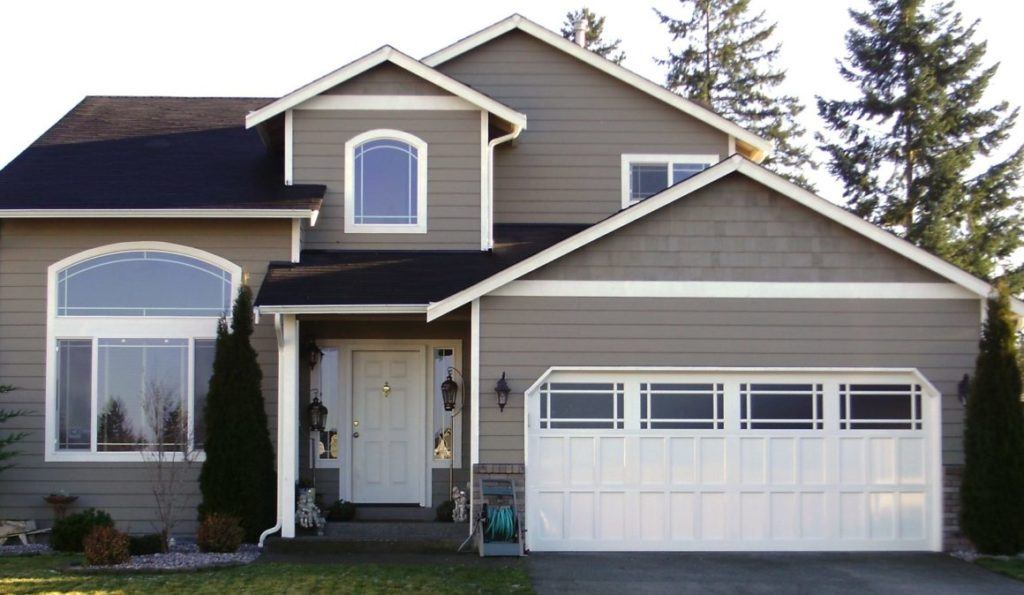
Your garage doors are your property’s largest access point, so if they have a faulty seal, your space is left exposed to the elements and pests like insects and rodents. If you want to save energy, protect your garage from water damage and keep pests away, sealing your garage door can help. While all garage doors come with a weather seal, they wear out over time and need replacement. Weatherstripping your garage door provides you with peace of mind by ensuring nothing can get into your home or business.
What Is Garage Door Weatherstripping?
Garage door weatherstripping is a flexible barrier installed along the bottom, sides or top of your garage door. It helps close the gaps between the door and the surrounding frame or floor, preventing unwanted air, moisture, dirt and pests from entering. There are many types of garage door seals to choose from, depending on your garage door’s design, exposure to the elements and how the space is used:
- Bottom seal: Garage door bottom seals are installed along the bottom edge of the door. They’re usually made of rubber or vinyl and work by compressing against the floor when the door closes to keep out drafts, pests and more.
- Threshold seal: This type of seal is attached directly onto the garage floor to create a raised barrier that the door closes against. It’s useful for keeping water out, particularly on sloped properties or where the floor is uneven.
- Side and top seals: These seals are installed along the sides and top of the garage door frame.
- Brush seal: Instead of rubber or vinyl, brush seals use dense synthetic bristles to block air movement and dust. They are common in commercial or industrial environments because they’re durable and more resistant to wear.
What Are the Benefits of Sealing Your Garage Door?
The benefits of garage door weather seals are numerous, from lowering your energy costs to protecting your home from damage.
1. Offers Protection From Water and Flooding
Water damage often happens before you can react to it. Even average rainstorms can cause damage if your garage doors don’t have a proper seal. Water leaks underneath garage doors and can quickly spread over the ground, damaging anything you have on the garage floor. Then, once the water starts to evaporate, the condensation will struggle to escape and can damage any electronics or vehicles stored in the garage.
The condensation can also gather around windows in your garage and may encourage mold growth over time. Mold can spread throughout your home and often requires extensive renovations to eliminate the health risks it poses.
Sealing your garage doors with weatherstripping will protect your home and possessions by creating a sturdy seal that keeps rain outside, even during heavy storms.
2. Enhances Energy Efficiency
Cold air in the winter or hot air in the summer can enter through any cracks in your garage door sealing. These drafts cause your cooling and heating systems to work harder, which increases energy costs. As time goes on, you may have to spend extra money on maintenance, especially if your air conditioning unit cycles on and off frequently.
A national evaluation of the U.S. Department of Energy’s Weatherization Assistance Program (WAP) found that weatherization improvements, like sealing doors and windows, can save households an average of $372 or more each year on energy bills. By installing weatherstripping on your garage door, you reduce energy waste and help your home or business run more efficiently.
3. Keeps Insects and Rodents Out
If you start to notice vermin such as insects or rodents in your house, your garage door sealing may be to blame. These pests can squeeze through any small imperfection in your garage door’s seal and infiltrate your home. Once they’re in your garage, they can easily enter the rest of your home or business premises.
Insects and rodents are prolific breeders, so what starts as a small problem can quickly lead to something much more devastating. Vermin can carry fleas and diseases into your home and damage your possessions. Sealing your garage door prevents pests from accessing your home.
4. Extends Your Garage Door’s Lifespan
With reliable weatherstripping, your garage door will require less frequent repairs and enjoy a longer service life. The weatherstripping protects your garage door from pests and elements that damage the door’s structure and mechanisms. If the garage door slams shut, weatherstripping also protects it by offering a padded cushion.
5. Reduces Noise
Weatherstripping helps reduce noise by sealing gaps where sound can travel through. It softens outside noises like traffic or wind and dampens the sound of the door opening and closing. This is especially helpful for attached garages, where sound can easily pass into other rooms on the property.
How Can I Tell if My Garage Door Weather Seal Needs Replacement?
Here’s how you’ll know you need to replace your garage door seal:
- Visible wear and tear: Check the bottom and edges of your garage door. If you see cracks, splits or sections that look dried out or brittle, it’s a sign the seal is no longer doing its job. Warping or flattening is also common and can create gaps that let in air, pests or moisture.
- Drafts, leaks or rising energy bills: You may need a new garage door seal if your garage feels colder than usual, you notice water pooling near the door after rain or your energy bills are higher than normal. A failing seal allows outside air and water to enter your garage, which can affect indoor comfort and increase heating and cooling costs.
- Age of the seal: Most garage door weather seals last between 2-10 years. If your garage door or its seal hasn’t been replaced in over a decade, there’s a good chance it’s due for an upgrade — even if it looks OK at first glance.
We recommend checking your garage door weather seal seasonally to catch early signs of weathering before they worsen.
Do You Need a Professional to Seal Your Garage Door?
You must seal garage doors with precise measurements and high-quality materials. If the measurements are off by even a fraction of an inch, your garage is still at risk of water damage, drafts and vermin. For accurate weatherstripping installation, learn how to measure your garage door properly to ensure precise fit and maximum sealing effectiveness. The materials used to seal garage doors should be of premium quality to withstand the constant friction and movement that garage doors experience.
We recommend having professionals complete this task for you. They can assess your garage door and create a comprehensive plan to seal it with the best materials for your specific garage. You may also need repairs to the garage foundation if there are any cracks in the concrete. If you apply weatherstripping, but don’t fix the foundation, your garage doors will not form a full seal. Professionals are experienced at handling garage sealing and will ensure your home has adequate protection.
Contact Best Overhead Door for Professional Garage Door Sealing
Garage door weatherstripping protects your home or business from water, wind and pest damage, so it’s vital to ensure your sealing is doing its job. Daily wear and tear will have an impact on your garage door sealing and increase your utility bills. At Best Overhead Door, we can apply new weatherstripping to your garage door to create a durable seal. This way, the door can fend off anything that tries to enter your garage while lowering your energy usage. We service the following areas:
If you notice your stripping is no longer working effectively, please reach out today to schedule a service. You can also request a free estimate online.